
Sonnenborgh Museum and Observatory
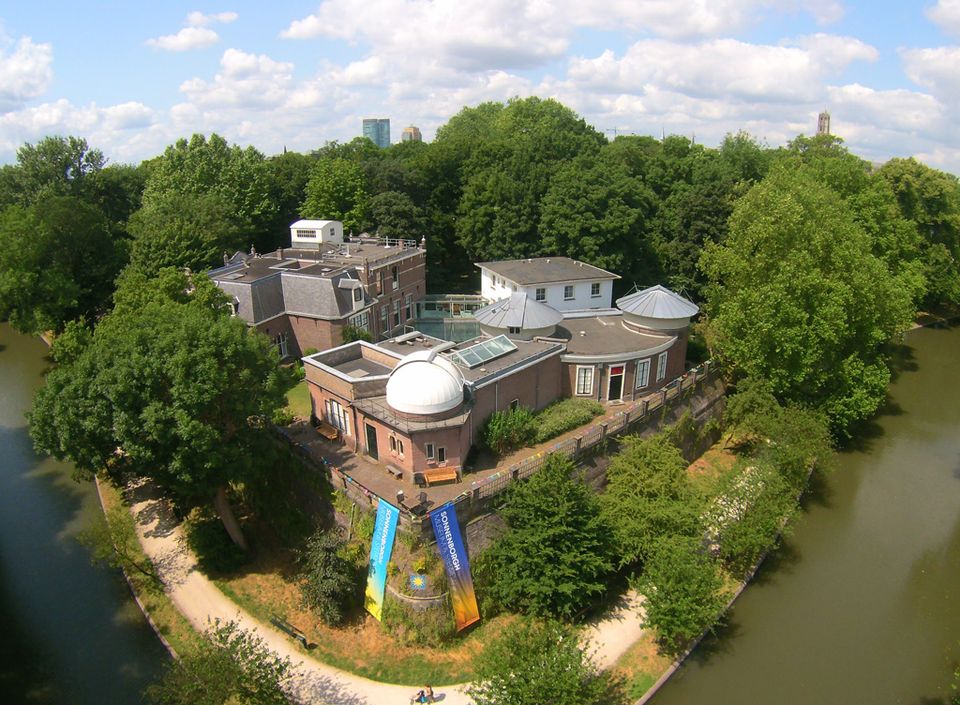
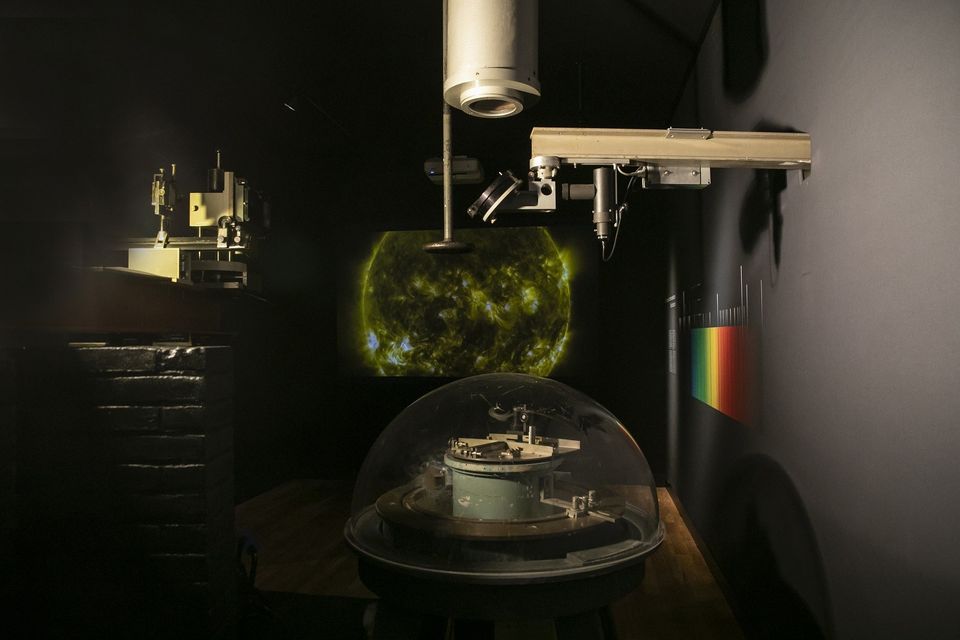
Explore the secrets of the bastion Sonnenborgh or climb the steps to the star cupolas, where telescopes bring the universe and stars really up close. At the historic 19th-century observatory, scientists deciphered the composition of the sun and made the first weather forecasts. Today, Sonnenborgh is a museum where visitors can conduct their own research. Climb the stairs to the observatory and wonder at the starry heavens on an Star Viewing Night. Learn all about the unique building, the stars overhead and the weather in one of our exhibitions, tours or lectures. Sonnenborgh was built on a monumental 16th-century bastion, and is one of the best-preserved city wall bastions in Northern Europe.
Unearth the secrets of Sonnenb…
Explore the secrets of the bastion Sonnenborgh or climb the steps to the star cupolas, where telescopes bring the universe and stars really up close. At the historic 19th-century observatory, scientists deciphered the composition of the sun and made the first weather forecasts. Today, Sonnenborgh is a museum where visitors can conduct their own research. Climb the stairs to the observatory and wonder at the starry heavens on an Star Viewing Night. Learn all about the unique building, the stars overhead and the weather in one of our exhibitions, tours or lectures. Sonnenborgh was built on a monumental 16th-century bastion, and is one of the best-preserved city wall bastions in Northern Europe.
Unearth the secrets of Sonnenborgh. Look for cannon emplacements behind the extremely thick walls of the 16th-century fortification. Climb the stairs to the 19th-century observatory domes and gaze at the stars and planets after nightfall. Make a weather forecast by yourself or take a closer look at the sun using a special solar telescope.
From Saturday 6 December 2025 Sonnenborgh is also open on Saterdays from 13:00 to 17:00.
Openingtimes
- Every monday closed
- Every tuesday from 11:00 to 17:00
- Every wednesday from 11:00 to 17:00
-
Every thursday
from 11:00 to 17:00
from 19:00 to 21:30 - Every friday from 11:00 to 17:00
- Every saturday from 13:00 to 17:00
- Every sunday from 13:00 to 17:00