
Stoutenburg castle
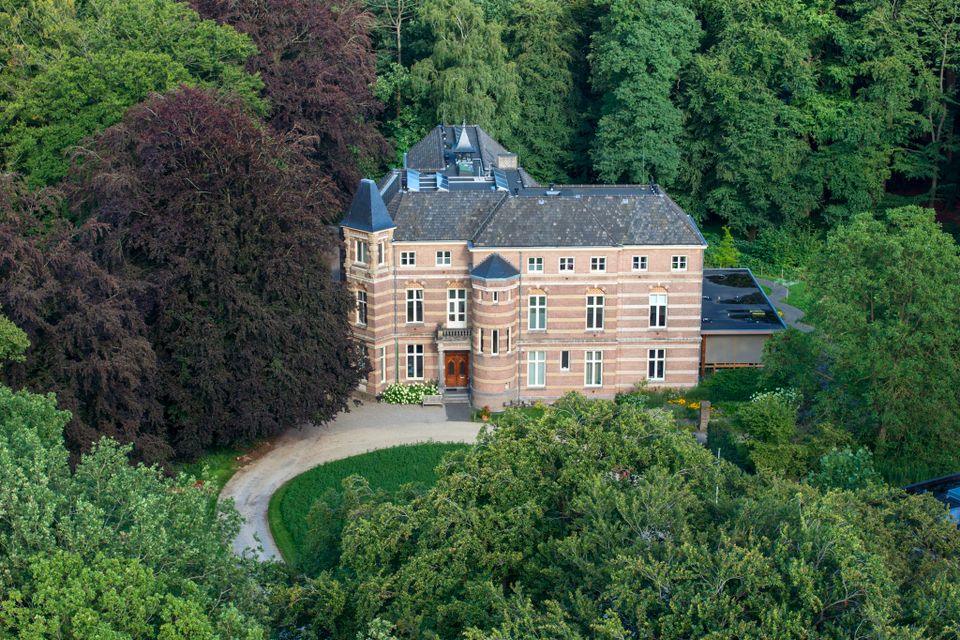

Stoutenburg estate near Leusden possesses a long history. A mighty castle once stood here. As it stood on the eastern border of the diocese of Utrecht, the bishop of Utrecht wanted to dispose of it. In exchange, he granted city rights to Amersfoort in 1259. At the end of the 15th century, the castle was destroyed by soldiers from Gelderland. More than a century later, Johan van Oldenbarnevelt became the owner. After his beheading in 1619, the estate was confiscated. Over the centuries, three different castles stood on Stoutenburg estate. The current Klein Stoutenburg castle was built in 1888. This castle stands south of the Barneveldse Beek (Barneveld Brook). The earlier castles all stood on the north side.
Utrechts Landschap has listed Stoutenburg in...
Stoutenburg estate near Leusden possesses a long history. A mighty castle once stood here. As it stood on the eastern border of the diocese of Utrecht, the bishop of Utrecht wanted to dispose of it. In exchange, he granted city rights to Amersfoort in 1259. At the end of the 15th century, the castle was destroyed by soldiers from Gelderland. More than a century later, Johan van Oldenbarnevelt became the owner. After his beheading in 1619, the estate was confiscated. Over the centuries, three different castles stood on Stoutenburg estate. The current Klein Stoutenburg castle was built in 1888. This castle stands south of the Barneveldse Beek (Barneveld Brook). The earlier castles all stood on the north side.
Utrechts Landschap acquired Stoutenburg in 1999 and has been working on restoring the old landscape ever since. By refurbishing avenues and moats, the castle grounds are regaining their allure. Monotonous grasslands are changing into flowery hay meadows and the estate is gradually expanding. The network of footpaths through the area is growing and the information centre is increasingly becoming the starting point for beautiful walks and cycle tours through Gelderse Valley.